
Zambezi travel · NamSpace
Zambezi Region Travel Guide: Rivers, Safaris and a Journey Worth Staying For
Explore the Kwando, Mudumu, Nkasa Rupara, Mafwe cultural experiences and Katima Mulilo with a five-night Zambezi plan and time to enjoy the river.
As an Amazon Associate I earn from qualifying purchases. This article contains optional Amazon links. Check delivery and the full cost before buying.
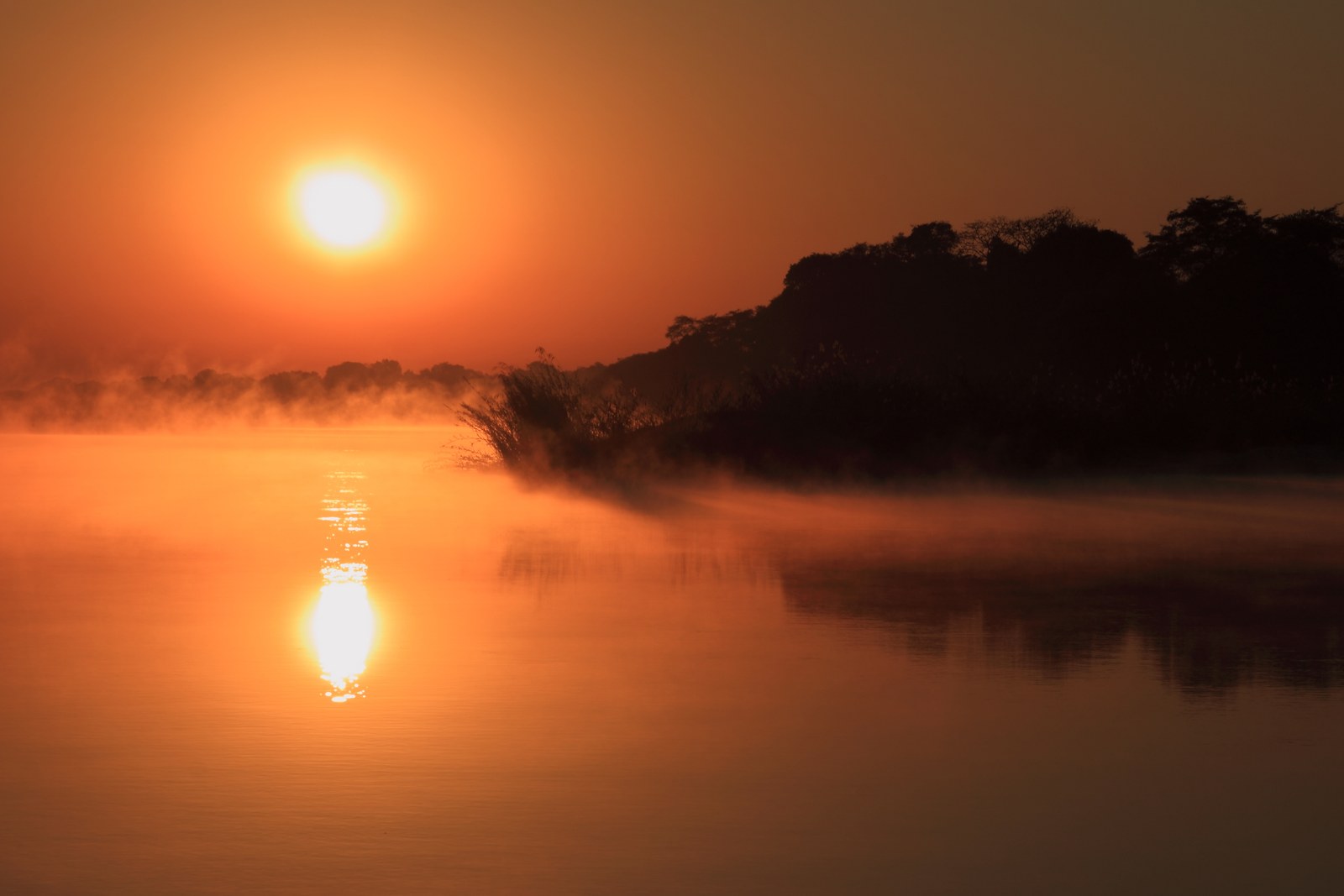
Image credit & rights
20150811 Sonnenaufgang am Sambesi (Caprivi Strip, Namibia).jpg — Matthias Bethke, via Wikimedia Commons. CC BY-SA 4.0. Resized for web; no scene content changed. Adapted image retains CC BY-SA 4.0.

Published 4 October 2026
Give Namibia’s Zambezi Region a place in the holiday you are excited about planning.
Picture the choices: an organised outing on the water, a morning devoted to birds, a park drive through a river landscape, a cultural visit led by its hosts, and an evening with nowhere else to be. Add a market visit in Katima Mulilo and time to ask about the food, the crafts and the stories of the place. That is a substantial holiday in its own right.
For travellers already heading through north-eastern Namibia, Zambezi can turn a long journey into a series of days worth remembering. For those building a trip around rivers and wildlife, it deserves a look from the start.
The appeal is the combination. You can be interested in a safari and in the people who make their lives in this landscape. You can book activities and still leave space to enjoy your stay. You can appreciate a river without needing every outing to produce a spectacular animal sighting.
My recommendation for a first visit is five nights across two well-chosen bases: three around the Kwando/Kongola area and two around Katima Mulilo. Add time around Nkasa Rupara if that wetland setting is a particular priority. This guide explains what each part can bring to the trip and how to make the plan your own.
Why Zambezi deserves more time on the itinerary
Namibia holds many kinds of travel experience. Zambezi gives you room to build a holiday around water: river outings, wetland wildlife, birding and the cultures and livelihoods connected with these landscapes.
The Namibia Tourism Board’s Four Rivers Route brings together travel interests around the Okavango, Kwando, Chobe and Zambezi. That is a wider route across Kavango and Zambezi, rather than a promise that every river or attraction sits near one accommodation base.
For this visit, keep the geography manageable. Choose one base for the Kwando area and nearby outings, then another for Katima Mulilo and the Zambezi River. If Nkasa Rupara is central to your interests, give that part a dedicated stay instead of assuming you can reach everything comfortably from either end.
A slower plan has a practical advantage: a full day in one place can hold an activity, a meal and some time to rest. You can ask a guide a second question, return to a craft shop, or simply spend longer looking at the water. Those small freedoms are often the difference between travelling through a region and enjoying a visit to it.
Zambezi, Caprivi and Kavango: get your bearings
You will encounter Caprivi in older guides, road-trip descriptions and some current tourism names. Zambezi is the current regional name used in this guide. Treat historic names and broad corridor descriptions as clues to check a location, rather than assuming every place mentioned belongs to the same present-day region.
Kavango is its own part of the journey. Rundu and Divundu belong in a Kavango plan; our Rundu-to-Divundu guide gives that stretch the attention it deserves. Bwabwata connects the two regional travel stories: NACSO’s conservation overview identifies the park as extending from Kavango East into Zambezi.
The useful question when booking is precise: where is this stay, and which experiences can I realistically reach from it? Ask for the location and final approach directions. A description such as “in the Caprivi” is too broad to plan your arrival or the following morning’s outing.
Kwando and Kongola: make this your first experience base
If you are travelling from Kavango towards Katima Mulilo, the Kwando/Kongola area is a useful part of the route to investigate for your first longer stay.
Start with what you want the days to feel like. Are you most interested in guided wildlife drives, river time, birding, a cultural visit, or a comfortable place to pause? Compare stays according to those interests, including the actual location and the activities each can arrange.
Ask a host or operator to explain the outings clearly. Which park area does a game drive enter? Where does the boat leave from? Does a birding activity have a specialist guide? How long will you be away, what is included, and is the activity suitable for your group?
The Tourism Board’s Bwabwata overview places the Okavango River at the park’s western side and the Kwando at its eastern side. That helps explain why a Bwabwata outing near Divundu and one arranged around the Kwando should be researched as different experiences.
For a first visit, three nights around this base create two full days. You might use one for a guided park outing and the other for a cultural visit, with a river activity arranged where available. Keep the sequence flexible enough to follow current access advice and the operator’s timetable.
Choose the activity you came for, then leave enough room to enjoy where you are staying. There is no need to turn every morning and afternoon into a separate booking.
Mudumu: give a park outing its own day
Mudumu brings another landscape into the trip. The Ministry of Environment, Forestry and Tourism’s park information describes Kwando floodplain, grasslands and riverine woodland. It also highlights cooperation between the park and neighbouring conservancies, community forests and traditional leaders.
That context makes the park more interesting than a list of species. This is a conservation landscape with neighbours, shared resources and work happening beyond what a visitor sees during a drive.
If Mudumu is one of your priorities, ask about an outing specifically to Mudumu before choosing your stay. Compare a guided visit with self-driving according to your experience, vehicle, group and the current advice. Confirm the correct arrival point, permit arrangements, opening times and routes with the park or your operator.
I would allow one main park outing to anchor a day, rather than fitting it between a substantial transfer and a late arrival somewhere else. Ask your guide what to look for in the habitat as well as which animals may be present. A drive becomes more rewarding when you start noticing the landscape’s details.
Wildlife sightings remain unpredictable. Book because the area interests you and the outing fits your trip, with any particular encounter treated as a possibility.
Nkasa Rupara: choose it for the wetland landscape
Nkasa Rupara is worth considering if wetlands are a major reason for your visit. The Tourism Board’s park overview describes reed channels, lagoons and islands, with the Kwando and Linyanti along its boundaries. You may also encounter its former name, Mamili, in older information.
Water is an essential part of the setting and of planning access. The same overview identifies demanding terrain and the need for a suitably equipped 4x4 for independent visits. Treat that as a reason to get specific, current advice from the park and your host. Do not turn a dated description into a guarantee that a particular track is open or suitable today.
For many first-time visitors, comparing an organised guided outing is a good place to start. Ask where it goes, how you reach the departure point, which activities are permitted and what happens if water or ground conditions change.
If this is the experience you are most excited about, consider two additional nights at a suitable nearby base. That recommendation creates a full day between arrival and departure; it does not promise access to every part of the park. You may decide to replace part of the five-night plan rather than extend it.
Make Nkasa Rupara a deliberate choice. Arrive with the right arrangements and enough time to appreciate the habitat you came to see.
Birding: a good reason to slow the whole trip down
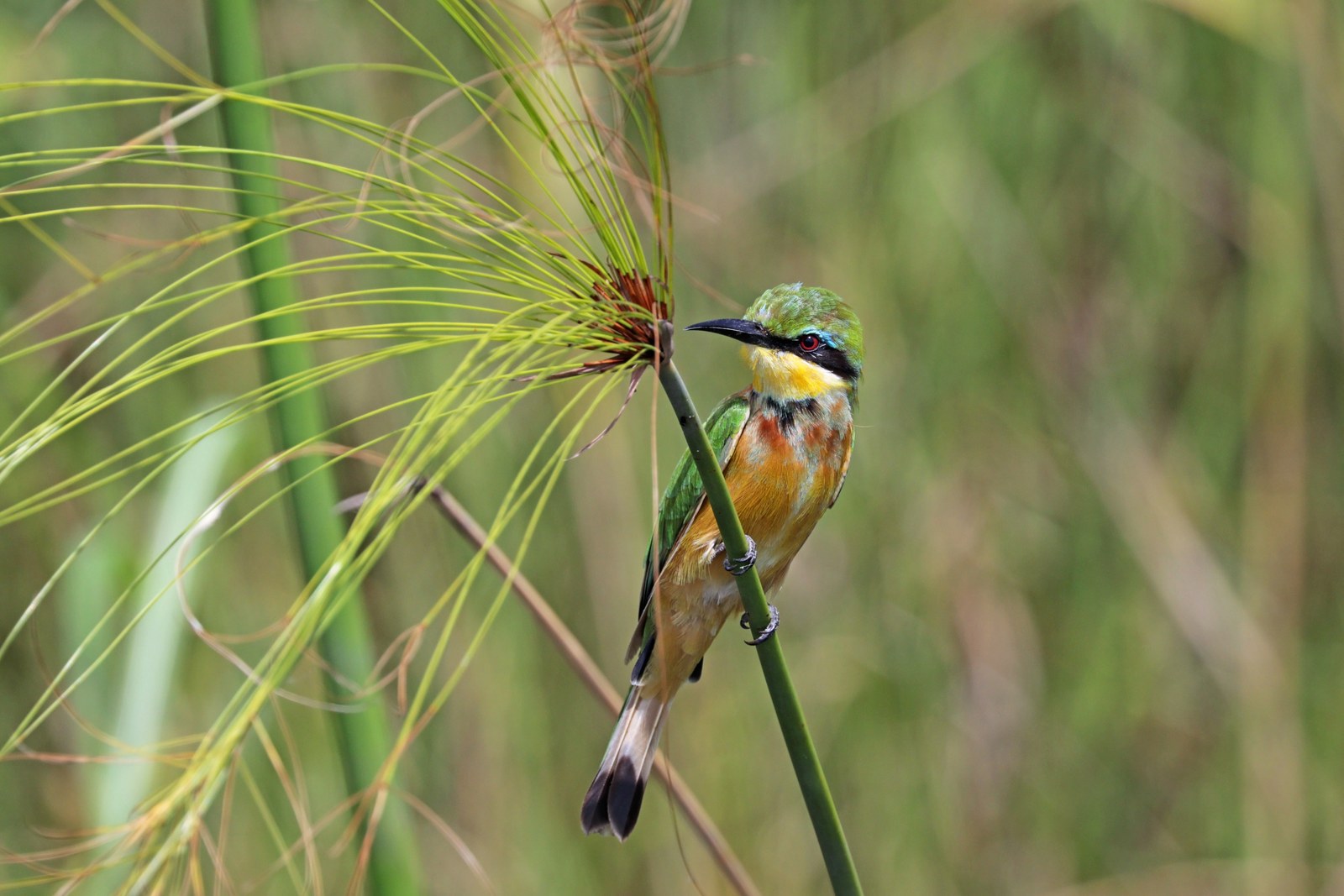
Image credit & rights
Little bee-eater (Merops pusillus argutus) Namibia 2.jpg — Charles J. Sharp, via Wikimedia Commons; creator Sharp Photography. CC BY-SA 4.0. Resized for web; no scene content changed. Adapted image retains CC BY-SA 4.0. Historic sighting, not an encounter guarantee.

You do not have to arrive with an expert’s species list to enjoy birding. Start with binoculars, some patient observation and a guide who can help you see what you would otherwise miss.
Tell the operator whether you are a keen birder, a photographer or someone simply curious to learn. A specialist birding outing can be a different experience from a general cruise with occasional bird sightings. Ask about the guiding, group size and pace before you book.
The Nkasa Rupara overview records a varied bird community associated with its wetland setting. The documentary photograph in this article shows a little bee-eater photographed along the Linyanti in 2018; it illustrates the interest of the area, rather than promising the same bird on your visit.
Give an outing room to be interesting even when the target species does not appear. Ask about calls, behaviour and the habitat. Keep your distance, follow the guide’s instructions and avoid disturbing nests or roosts for a photograph.
A good birding morning can change the rest of the holiday: suddenly the smaller details have your attention too.
Mafwe Living Museum: culture belongs in the main plan
The Mafwe Living Museum offers a hosted introduction to selected traditional practices, with interactive programmes and English interpretation. Its setting includes baobabs and a view towards the Kwando. The foundation’s contact page locates it about 17 kilometres north of Kongola.
Check the current programme and approach information directly before visiting. The operator describes reception-based programme arrangements; you do not need to assume this works like an advance-booked lodge activity. Contact them about the details that matter to your group, including duration, price, dietary needs and photography.
Go ready to participate where invited, and to listen where a demonstration needs your attention. Ask about the work involved in making an item or preparing a meal. Pay for the experience and respect the hosts’ choice about what they share.
A living museum presents particular traditions through a structured programme. It does not represent every person’s contemporary life, or every community in Zambezi. Let the hosts explain their own experience without asking them to speak for the whole region.
Give this visit a proper place in the itinerary. People’s knowledge and skills deserve as much planning attention as wildlife and river activities.
Katima Mulilo: the town and the river both deserve a visit
Katima Mulilo can serve practical needs at this end of the journey while also adding experiences of its own. The town council’s tourism page highlights the open market, riverside places and other visitor interests. The Zambezi Regional Council identifies the town as its administrative seat.
For visitors, the open market is one place to begin asking about local food and crafts. The town council specifically mentions Zambezi bream, farm foods, clothing and handmade work. Ask your hosts how best to visit, what is available that day and where to try a meal that suits your dietary needs.
Treat the market as a working place. Greet sellers, ask before photographing people and agree purchases respectfully. Buy something because you want it, and ask about its maker or preparation where the seller wishes to explain.
Then give the river a separate part of the stay. Enquire about an organised outing from an appropriate local operator, or choose accommodation where you can enjoy the view from a designated guest area. Check what the actual booking includes and which room or campsite receives the advertised setting.
Two nights around Katima Mulilo give you a full day for a town visit and a river experience, without making both depend on arriving early after a transfer. You can also use that time to prepare for onward travel calmly.
The water changes the landscape—and your planning questions
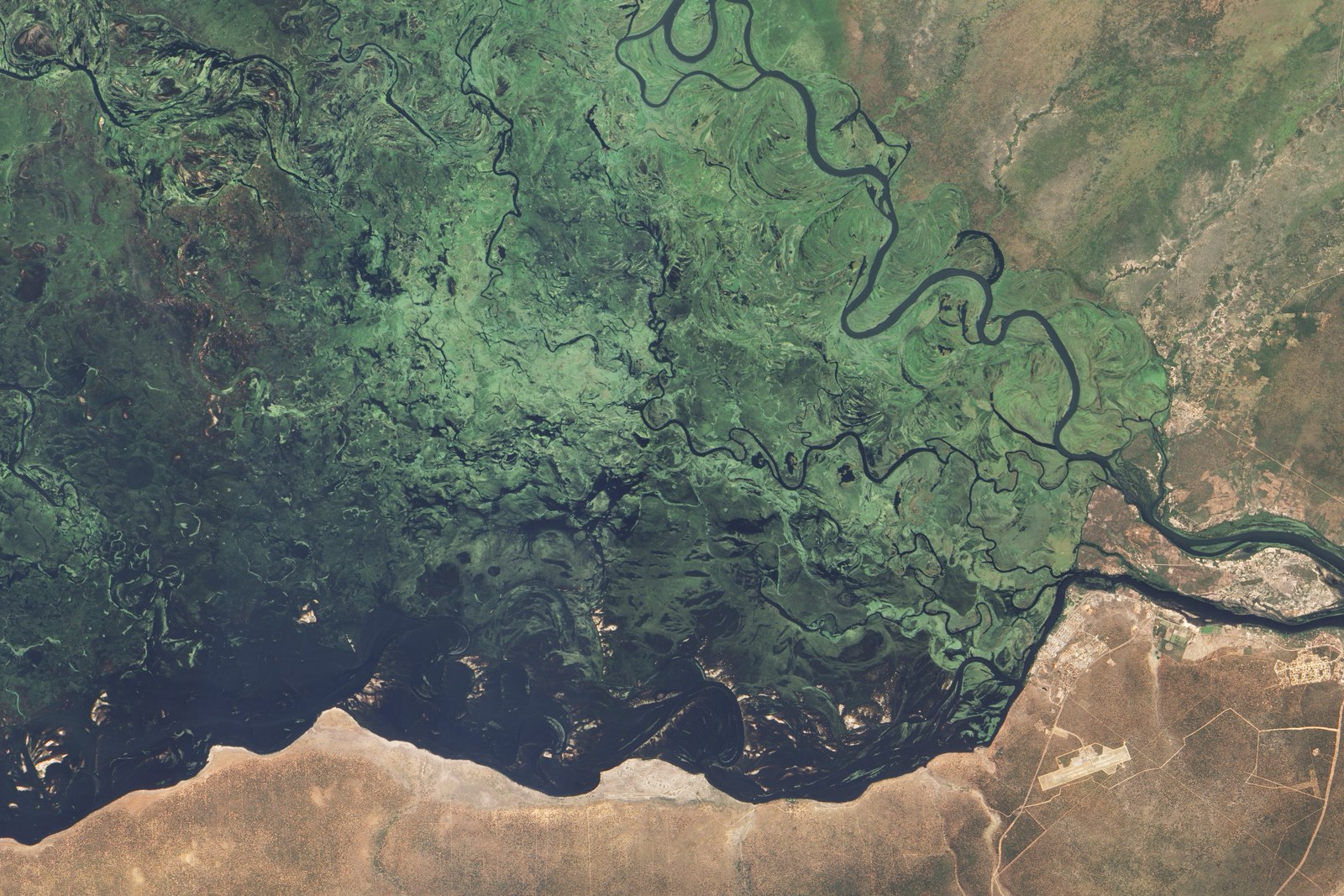
Image credit & rights
Earth Observatory image created by Jesse Allen and Robert Simmon using EO-1 ALI data courtesy of the NASA EO-1 team. Original image record; downloaded via Wikimedia Commons, which identifies this image as public domain in the United States. Used as a factual editorial image under NASA media usage guidelines. Resized for web; no scene content changed. No NASA endorsement implied.

A historic satellite image included below shows the eastern floodplain on 8 May 2010, including the area around Impalila and Kasane. The original Earth Observatory page explains the floodplain and the influence of river flow and local terrain. The picture shows one recorded event; it is not a current flood map or an access guide.
The travel lesson is practical: ask about conditions at the place you are visiting, for the dates you are visiting it. A national weather summary and an old photograph cannot answer whether your accommodation’s approach road, a park track or a planned river activity will be suitable.
Our Best Time to Visit Namibia guide introduces the wider seasonal pattern. For this region, follow up with questions about recent rain, river levels, heat, available activities and access.
If birding, a particular park area or fishing is the main purpose of your visit, tell the operator before choosing dates. Ask which periods suit that interest and what may change the plan. Keep a sensible alternative available: a different permitted outing, more time at your base or a rearranged transfer.
You do not need perfect conditions for every activity to enjoy the region. You do need a plan that can respond to the landscape.
A five-night Zambezi itinerary with room to enjoy it
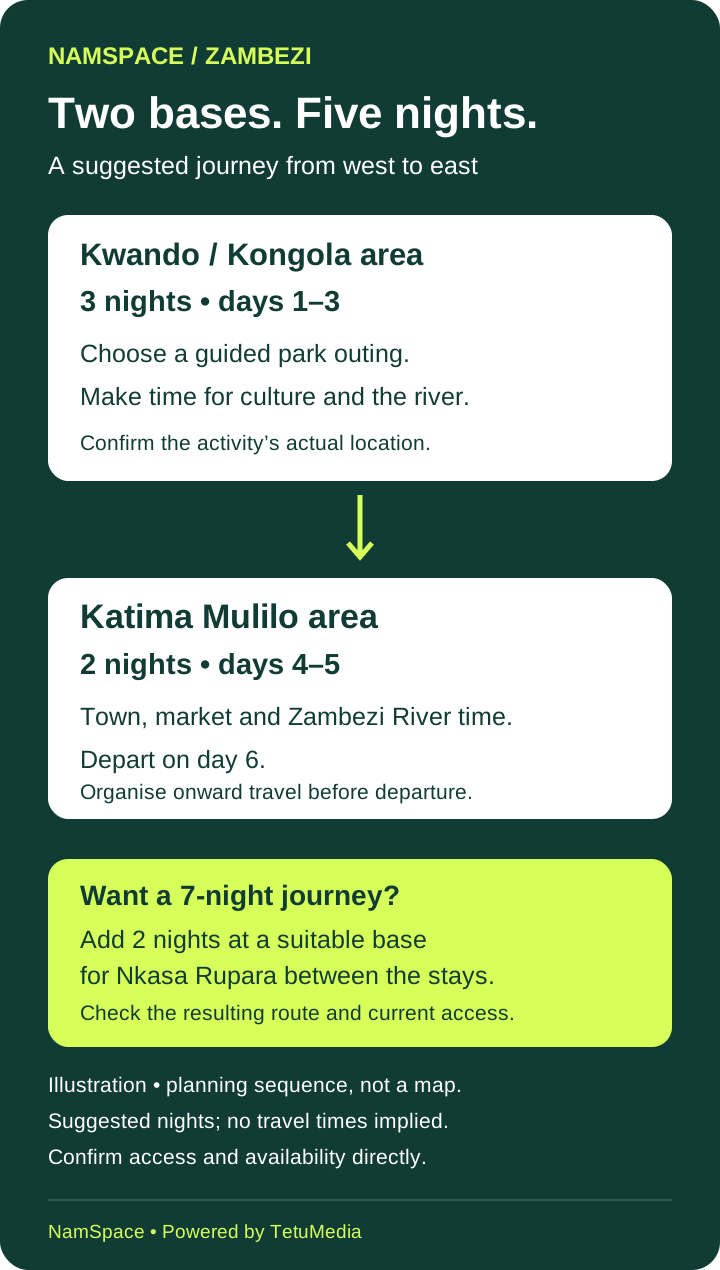
Image credit & rights
Original NamSpace explanatory illustration. Powered by TetuMedia. Suggested nights and activity grouping; not a navigation map or bookable package.
This is a suggested west-to-east structure for someone travelling on from Kavango. Reverse it if your arrival and onward journey make that more practical. Choose the actual stays and outings first, then calculate transfers from their addresses.
| Day | Suggested base / night | Shape of the day |
|---|---|---|
| 1 | Kwando/Kongola area — night 1 | Arrive in daylight, settle in and confirm the next two days’ arrangements. |
| 2 | Kwando/Kongola area — night 2 | One guided park outing, chosen for your interests and current access. |
| 3 | Kwando/Kongola area — night 3 | Mafwe cultural visit where operating; river or birding activity if the timetable fits. |
| 4 | Katima Mulilo area — night 4 | Transfer and settle in. Keep any arrival-day activity modest. |
| 5 | Katima Mulilo area — night 5 | Market or town visit and an organised river experience, with time between them. |
| 6 | Onward journey | Depart with booking and travel arrangements already organised. |
Make it seven nights: add two nights at a suitable base for Nkasa Rupara between the Kwando and Katima portions, if the resulting route and current access work. One full day can then focus on that area.
Make it three nights: choose one base and your two main interests. You may prefer a park-and-culture visit around the Kwando, or town-and-river time around Katima. Three nights across several bases leave much less usable time.
If you have only one night: choose a stay that works for the transfer and arrange one experience if the timing allows. Treat it as an introduction to a region worth returning to.
The allocation of nights is NamSpace’s recommendation. Every activity still needs its own availability and access check; the table is not a bookable package.
Choose a stay for the experiences you want nearby
A beautiful room photograph tells you little about how the next day will work. Compare location, access, meals and activities alongside the room or campsite.
| Your main interest | What to establish before booking |
|---|---|
| Kwando-area wildlife and river time | Which outings depart nearby, which areas they enter and the complete cost. |
| Mudumu | Whether a visit specifically to Mudumu can be arranged from this base. |
| Nkasa Rupara | Current approach conditions, vehicle needs and suitable guided options. |
| Mafwe cultural visit | Actual transfer and current visitor arrangements at the museum. |
| Katima town and Zambezi River | How you reach town and the departure point for your intended river activity. |
| Camping or a lower budget | Facilities, meals, activity charges and whether the access suits your vehicle. |
| Children or accessibility needs | Suitable sleeping arrangements, water supervision, transport and activity requirements. |
Ask for a full written quote for your dates and group. Record what is included, what is optional, payment arrangements and cancellation terms. Confirm whether an advertised view or facility applies to your exact room category.
Our Where to Stay in Namibia guide helps compare accommodation types. Namibia on a Budget helps you look at transport, stays and activities as one trip cost.
Community tourism: ask how your visit connects locally
Community conservation is part of what makes this travel story worth understanding. NACSO’s overview explains how communal conservancies and other community organisations participate in managing natural resources. Its tourism concessions guidance describes opportunities for community participation in tourism enterprises.
A visitor can begin with ordinary choices: pay for a locally hosted programme, hire a guide, buy directly from a maker and ask a stay how its local relationships work. Look for a specific explanation—who the partner is and how the arrangement operates—rather than relying on the word “community” in a brochure.
Those choices do not prove that every tourism business shares benefits equally. They help you ask better questions and make your spending more deliberate.
The rivers are also working resources. NACSO’s fisheries information describes community fisheries reserves in Zambezi, where restrictions protect parts of the river system. If fishing interests you, ask an authorised operator about current permits, permitted areas, seasons and catch rules. Do not assume that access to a riverbank gives you permission to fish.
Enjoy the landscape with respect for the people who depend on it and the rules intended to keep it productive.
The practical checks that keep the trip comfortable
Make the key arrangements before the holiday, then reconfirm the details close to arrival.
- Vehicle and routes: distinguish a transfer on the main road from the final approach to a stay and a drive inside a park. Ask about each separately. Our Driving in Namibia guide helps you choose transport for the route you actually intend to use.
- River safety: choose an organised operator, follow instructions and confirm suitable life jackets. Use designated visitor areas on land. A waterfront view does not mean the river is a swimming area.
- Health preparation: the CDC’s Namibia guidance identifies Zambezi as a malaria transmission area. Discuss prevention with a qualified travel-health clinician and use mosquito-bite precautions. CDC also advises against freshwater swimming because of health risks.
- Meals and supplies: explain dietary needs before booking and ask what meals are available. Plan supplies around confirmed stops, rather than assuming every activity includes food or drinks.
- Offline information: save booking details, verified contacts and the accommodation’s directions where you can access them without a connection.
- Packing: choose equipment for the activities you have arranged. Binoculars, sun protection and practical clothing may be more useful than buying specialist gear for an outing you have not booked. See What to Pack for Namibia.
Continue into neighbouring countries only with a separate plan
Zambezi’s position makes it tempting to add another destination after the Namibian part of the holiday. The Tourism Board’s Four Rivers Route introduces wider regional journeys that include Chobe and Victoria Falls.
Keep the distinction clear: Chobe National Park is in Botswana, while Victoria Falls involves Zambia or Zimbabwe. These are additions requiring their own bookings and border planning. A nearby international destination is not automatically an easy same-day outing from your chosen stay.
If you intend to cross a border, check the current entry requirements for your nationality and itinerary, vehicle permissions, insurance and the operating arrangements at your intended crossing. Confirm these through the relevant authorities and your vehicle provider before committing to the route. This article does not provide nationality-specific visa advice.
You can also finish a rewarding trip entirely within Namibia. Choose the onward journey because it suits your time and interests, not because a map makes another stop look close.
Give Zambezi a trip you are excited to take
The case for coming here is strong enough to build an itinerary around: rivers, wildlife landscapes, birding, cultural hosts and a town where the market and waterfront can both belong to your visit.
Choose two or three experiences you most want, then give them room. Spend several nights in a base that suits the outings. Ask a guide to help you understand what you are seeing. Listen during the cultural programme. Try a meal recommended by your hosts. Leave an afternoon free because you like where you are staying.
That is the Zambezi journey I would encourage: curious, comfortable and long enough to feel like a visit.
Use our Namibia Travel Guide to place it within the wider holiday, and the Kavango river-road-trip guide if you are combining the two regions. Allocate their nights before filling every other part of the schedule. Both deserve time you can actually enjoy.
Sources and planning notes
Researched 4 October 2026. Suggested nights and itinerary order are NamSpace editorial recommendations, not a sold tour or guarantee of access. No current drive times, rates or wildlife encounters are promised.
- Namibia Tourism Board — Four Rivers Route: wider river and regional travel context.
- Namibia Tourism Board — Bwabwata National Park: park geography.
- MEFT — Mudumu National Park: habitat and neighbouring conservation partnerships.
- Namibia Tourism Board — Nkasa Rupara National Park: habitat and general independent-visit considerations. Check MEFT park information and operators for current arrangements.
- LCFN — Mafwe Living Museum and contact information: hosted programmes, setting and approach.
- Katima Mulilo Town Council — town tour and Zambezi Regional Council: local visitor interests and regional context.
- NACSO — conservation overview, tourism concessions and community fisheries reserves: community participation and fisheries context.
- Earth Observatory — Zambezi floodplain, 8 May 2010: original historic satellite-image record.
- CDC — Namibia travel health: health preparation for discussion with a clinician.
Documentary images carry individual creator, source and rights credits. The five-night graphic is an original NamSpace illustration showing a planning sequence, not a navigation map. No property, encounter, quotation or personal travel memory has been fabricated.