
Kavango travel · NamSpace
Rundu to Divundu: A Kavango River Road Trip Worth Slowing Down For
Give Kavango the nights it deserves: Rundu, community-led culture, river stays, Popa’s rapids and park outings around Divundu, with a practical four-night plan.
As an Amazon Associate I earn from qualifying purchases. This article contains optional Amazon links. Check delivery and the full cost before buying.
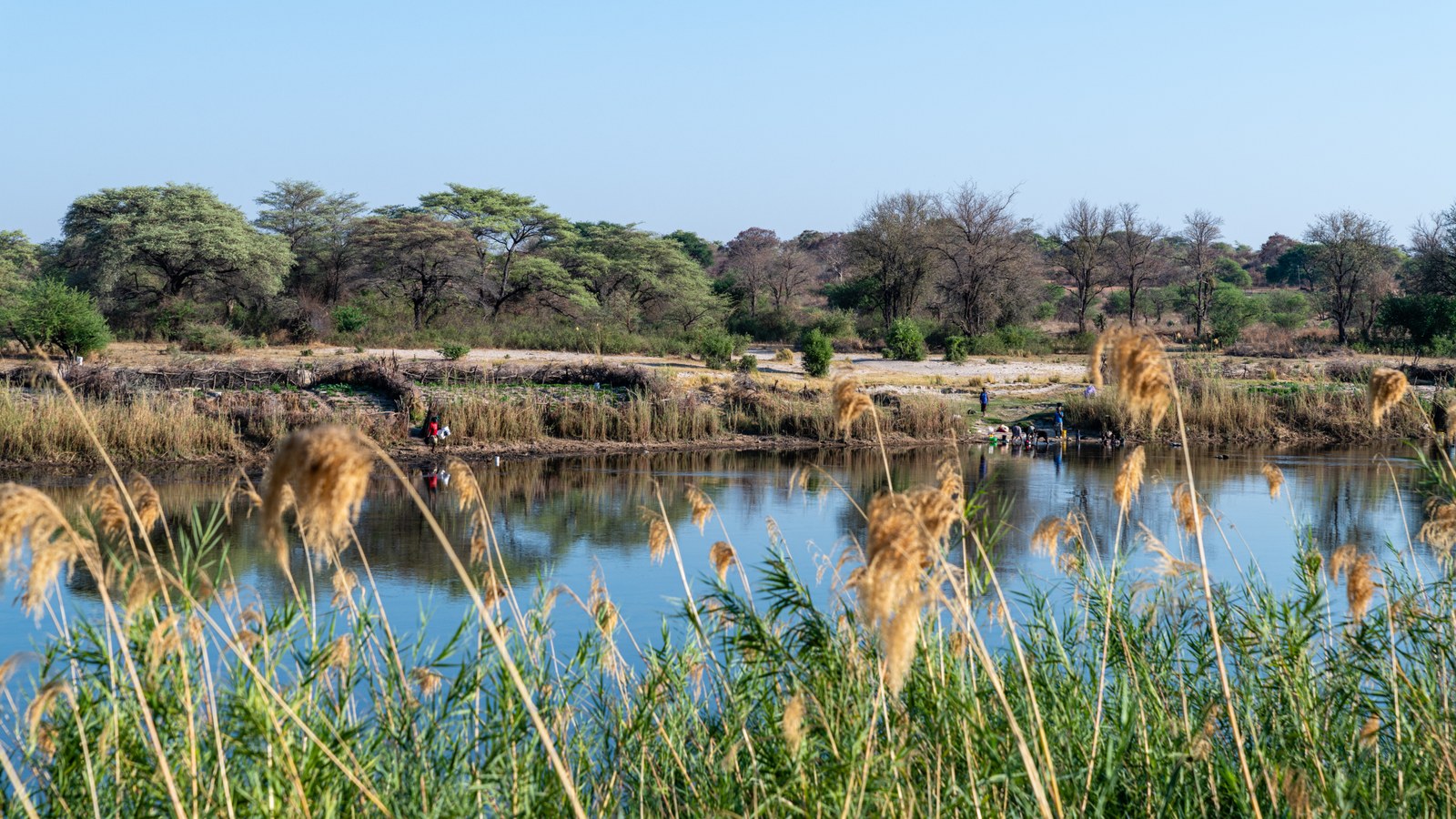
Image credit & rights
Okavango River, Namibia.jpg — Christoph Strässler, via Wikimedia Commons; original source Flickr. CC BY-SA 2.0, as expressly granted and reviewed on Commons. Resized for web; no scene content changed. Adapted image retains CC BY-SA 2.0.

Published 4 October 2026
Kavango is home to me. So when I ask you to give this part of Namibia a proper place on your itinerary, there is pride behind the invitation.
There is also a very good trip behind it.
Put Rundu and Divundu on the same journey and you can build days around the Okavango River, community-led cultural experiences, a stay with room to breathe, Popa’s rapids and the wildlife areas near Divundu. You can spend money with local guides and makers, hear people explain their own traditions, and see a side of Namibia that deserves more space in the travel conversation.
My pitch is simple: give Kavango several nights, and give those nights a purpose. Arrive with enough time to experience the river. Put a cultural visit in the plan. Leave an afternoon free. Let the journey have a rhythm beyond checking in, sleeping and driving away.
This is the Rundu-to-Divundu trip I would encourage a first-time visitor to build.
Why Kavango deserves a proper chapter in your Namibia trip
A great Namibia holiday can hold dunes, coast, Etosha and a river journey. Kavango adds its own atmosphere and interests to that mix: river landscapes, craft traditions, cultural hosts and time beside the water.
The Namibia Tourism Board’s Kavango Open Africa Route places culture, birding and river scenery at the centre of the region’s appeal. Its wider route stretches from Nkurenkuru to Divundu; this guide focuses on Rundu and the journey east to Divundu. Do not mistake the wider route’s published distance for the length of this shorter itinerary.
For travellers, that distinction matters. You do not need to see every named place to have a rewarding visit. You need a few well-chosen experiences and enough time to enjoy them.
For Kavango, it matters too. When travellers stay longer, book a local activity, buy a piece directly from its maker or pay for a hosted cultural programme, more of the trip connects with people who live here.
The strongest reason to come is the combination: a town visit, a cultural encounter arranged on the host’s terms, a river afternoon and a park outing can all belong to the same short journey. Build around the experiences that interest you, rather than treating every stop as compulsory.
Rundu: start with the town, then make time for the river
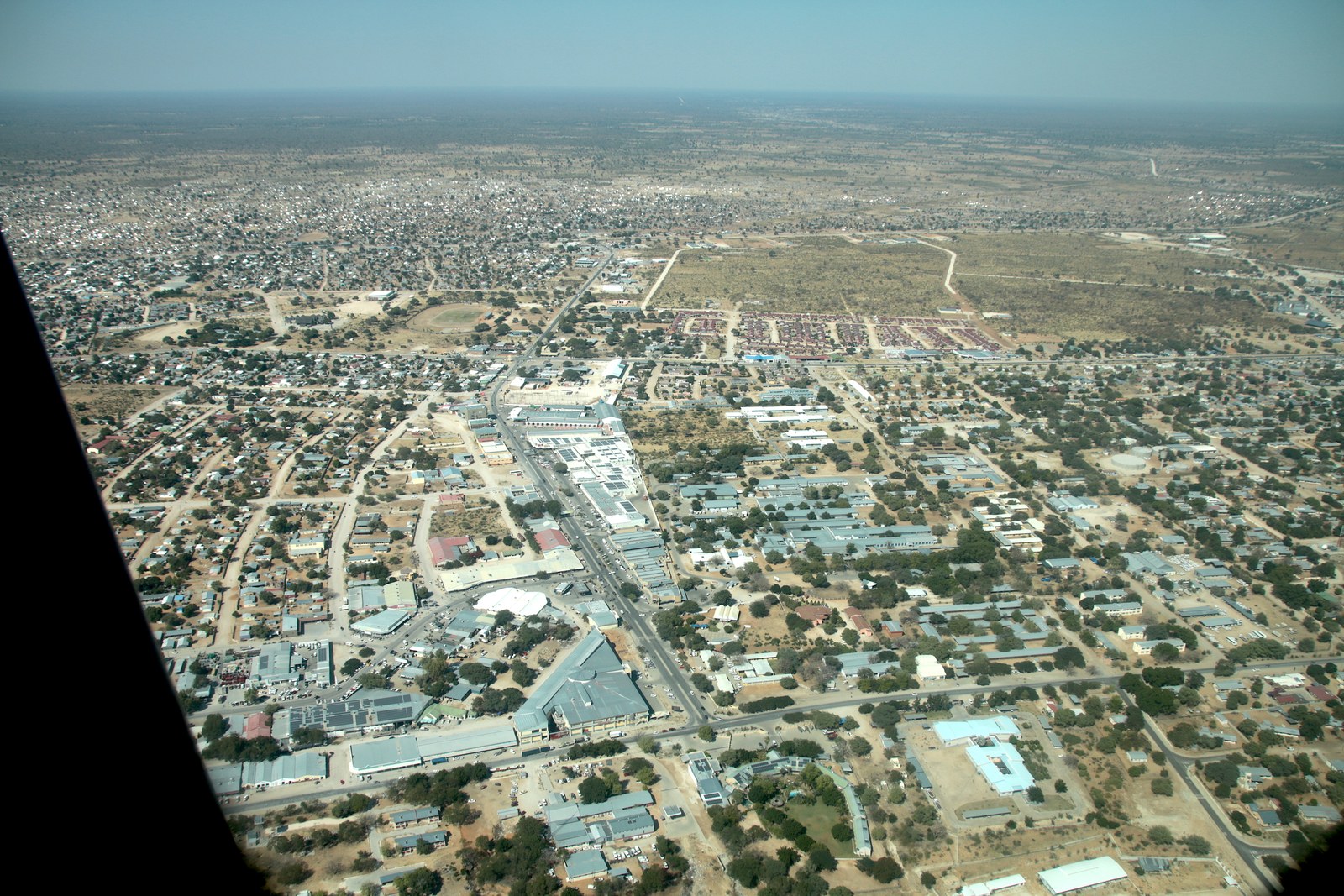
Image credit & rights
Rundu (2019).jpg — Hp.Baumeler, via Wikimedia Commons. CC BY-SA 4.0. Resized for web; no scene content changed. Adapted image retains CC BY-SA 4.0.

Rundu is a sensible place to begin this itinerary. Use your arrival to organise the practical pieces—supplies, fuel, money, directions and the next day’s arrangements—then let the stay become part of the holiday.
Choose accommodation according to how you want to spend your time. A convenient town base can work for a short visit with errands and a cultural outing. A river-facing stay is worth considering when you want the setting itself to shape the day. Ask what “river-facing” means for the actual room or campsite you are booking, how you reach it and which activities can be arranged.
My recommendation is to book two nights around Rundu if your schedule allows. The first night gives you room to arrive. The second gives you a full day to do something beyond recovering from the drive.
That day could pair a pre-arranged cultural visit with an unhurried lunch and a river activity. It could also be much simpler: a hosted outing in the morning and an afternoon at your accommodation. Either plan gives Rundu a fairer chance than an arrival after dark and a departure before breakfast.
When exploring town, ask your hosts where visitors are welcome and what is worth seeing that day. Markets, workshops and everyday businesses are places where people work. Greet people, ask before photographing them and buy because you value the item. A conversation is more interesting when you begin with curiosity rather than a camera.
Mbunza Living Museum: let the hosts tell the story
One specific cultural experience to investigate is the Mbunza Living Museum, at Samsitu Lake about 14 kilometres west of Rundu. The Living Culture Foundation Namibia describes it as both a place for preserving traditional knowledge and a communal business.
Its hosted programmes introduce aspects of Mbunza traditional life through activities such as weaving, pottery, drum-making, fishing and food preparation. A guide translates the Rukwangali presentation into English. The museum also has a craft shop.
That gives visitors a useful starting point: a structured experience offered by people choosing how to present their heritage. Book or enquire directly about the available programme, duration, price, access and photography rules. A living museum presents selected traditions; it does not stand in for every person’s contemporary life across Kavango.
Go ready to listen. Ask about the skill involved in making something. If you purchase a basket, a pot or another craft, let the maker or guide explain it where they wish to. Respect a refusal to be photographed, and ask separately before taking pictures of children.
A cultural visit deserves the same attention you would give a game drive: time in the itinerary, a proper booking and payment for the expertise being shared.
Follow the river journey east—without rushing the middle
From Rundu, the next part of this trip takes you towards Divundu. Plan the actual drive between your chosen accommodation addresses, including their turn-offs and final access roads. A river itinerary does not mean a continuous drive along the riverbank.
There is a useful choice here: go straight to your Divundu base, or add a stay along the corridor so the middle of the journey becomes part of the experience.
If the river is one of your main reasons for coming, the second option has real appeal. An extra night lets you arrive, settle in and book an activity without fitting it around another long departure. Two extra nights can give you a full day with much less pressure.
NamSpace’s Kayova River Lodge profile is one option to investigate along this stretch. Its operator-supplied information lists chalets and safari tents, with river activities available to enquire about. Use the profile to assess whether the accommodation and setting fit your trip, then confirm availability, the complete quote, meals, activity arrangements and access directly with the operator. For the fuller property story, read Where the River Slows You Down: Kayova River Lodge.
Treat that as a planning lead, not a required stop. Your best base is the one that suits your dates, budget, vehicle and interests.
If you add time in the middle, protect some of it from scheduling. A trip can hold both a guided activity and an afternoon with a book. The river should get a little more of your attention than the view from the breakfast table before you leave.
Divundu and Popa: give the water its own afternoon
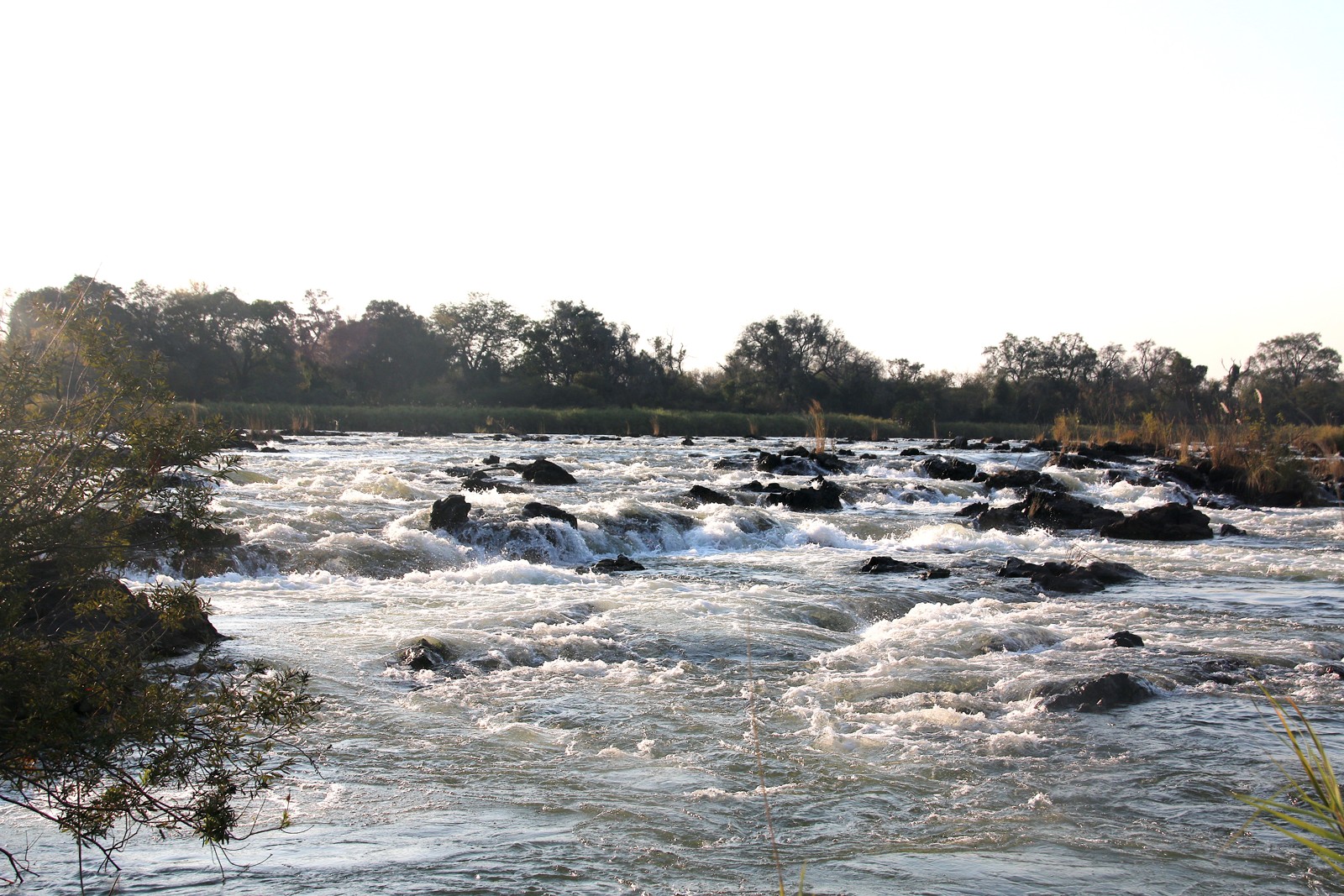
Image credit & rights
Popa Falls 2022 (03).jpg — Hp.Baumeler, via Wikimedia Commons. CC BY-SA 4.0. Resized for web; no scene content changed. Adapted image retains CC BY-SA 4.0.

Make Divundu your next base for the river and nearby park outings. Two nights are a useful minimum in this proposed itinerary because they create one full day between arrival and departure.
Popa Falls is a natural place to begin. Expect rapids rather than a towering waterfall: the appeal is water moving through a rocky river setting. The Tourism Board includes Popa among the attractions on its Kavango route. Namibia Wildlife Resorts provides information about its Popa Falls resort; check current visitor access and arrangements before going.
Give the visit breathing room. You could make it the main afternoon outing on arrival, rather than squeezing it between an ambitious drive and a late check-in. Stay within designated visitor areas and follow the guidance on site.
For another perspective on the river, enquire about an organised boat outing through your accommodation or a local operator. Ask what the outing actually includes: departure point, duration, group size, safety equipment, suitability for children and the total price. A sunset cruise, a bird-focused outing and a fishing trip are different bookings; choose the experience you want.
You do not need a dramatic wildlife encounter for a river outing to earn its place in the trip. Go for the landscape, the guide’s knowledge and the chance to see the area from the water. Let any wildlife sighting be a welcome addition.
Mahango and Buffalo: build the park day around current advice
The wildlife areas near Divundu add another reason to stay. The Tourism Board describes Bwabwata National Park as a landscape of woodland and river habitats, and records the incorporation of the former Mahango Game Park into Bwabwata. Mahango and Buffalo are names you will encounter when researching outings around Divundu.
Choose a visit with your accommodation, guide or the relevant park office. Confirm the entry point, current opening times, fees, permitted activities and which routes suit your vehicle and the day’s conditions. Do not assume that advice for one park area applies to another.
A guided outing is worth comparing with self-driving, especially if you want help understanding the landscape or identifying birds. Ask for a complete quote and what it covers. If you prefer to drive yourself, get specific route advice before you enter.
For a first visit, I would favour one well-planned park outing over trying to cover every area in a single day. Leave time for stops where they are permitted and for an easy return to your base. Wildlife moves on its own schedule; no itinerary can promise particular species or sightings.
The pleasure of this part of the journey is how comfortably it can sit alongside the river and cultural days. You can give each experience its own space.
A four-night Kavango itinerary you can actually enjoy
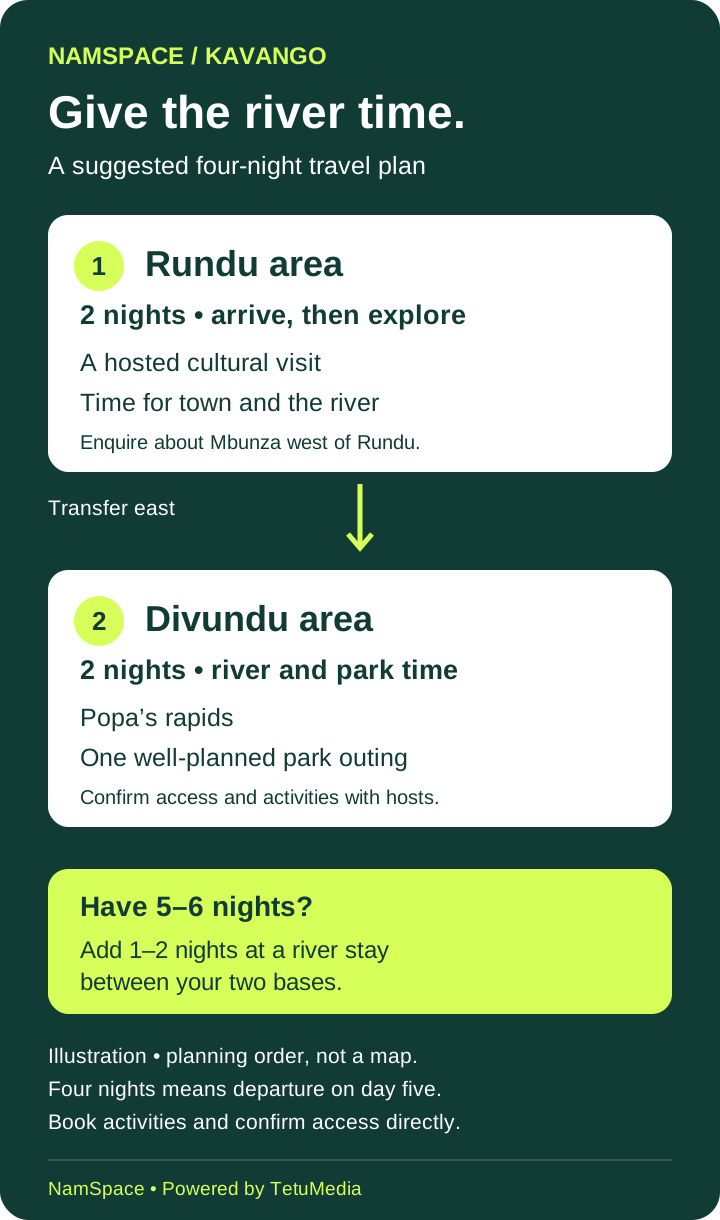
Image credit & rights
Original NamSpace explanatory illustration. Powered by TetuMedia. Editorial planning structure, not a navigation map.
This is a suggested planning structure, not a fixed tour. Bookings, transfer times and activity availability determine the final order.
| Day | Base / night | Suggested shape of the day |
|---|---|---|
| 1 | Rundu area — night 1 | Arrive in daylight, settle in, organise supplies and confirm tomorrow’s visit. |
| 2 | Rundu area — night 2 | Pre-arranged Mbunza cultural programme or another hosted outing; leave the afternoon flexible. |
| 3 | Divundu area — night 3 | Transfer to the next base. Visit Popa if arrival time and access allow; otherwise move it to the next day. |
| 4 | Divundu area — night 4 | One park outing arranged around current advice; return with time to enjoy your stay. |
| 5 | Onward travel | Depart without trying to squeeze a full activity into the same morning. |
For five or six nights: add one or two nights at a river stay between your Rundu and Divundu bases. Keep the two nights at either end. This creates room for an organised river activity and reduces the feeling that every enjoyable afternoon must be followed by packing.
For three nights: choose your priorities honestly. One night around Rundu and two around Divundu can work as a shortened version, but the cultural visit needs a confirmed slot and a sensible transfer plan. You will have less room for delays or a second river experience.
For one night: treat it as a short introduction and pick one experience. It cannot do the same job as a multi-night visit. If you can rearrange the broader holiday, this is a strong place to add time.
Choose accommodation for the day you want to have
When comparing stays, start with the experience you are trying to create. The room is only part of the choice.
| Your priority | What to ask before booking |
|---|---|
| River atmosphere and downtime | Which room or campsite has the advertised view? What space is available for relaxing outside? |
| Cultural visits near Rundu | Can the host help arrange the visit, and what transfer or access arrangements are needed? |
| Park outings around Divundu | Which areas can they arrange visits to? What is included in the activity quote? |
| Travelling with children | What supervision is needed near water? Are activities, sleeping arrangements and meals suitable for their ages? |
| Camping or a tighter budget | What facilities, power, meals and activity costs need to be budgeted separately? |
| A quieter extended stay | What will you do for a full day here, and what is available without another long drive? |
Ask for the complete price for your dates and group, including mandatory charges and any meals or activities you intend to use. A cheaper room can be poor value for your particular trip if the experiences you came for are difficult to reach.
Our Where to Stay in Namibia guide helps compare accommodation types. Namibia on a Budget helps you compare the whole cost of the journey.
Crafts, meals and small choices that make the visit more meaningful
Kavango’s craft traditions deserve attention. The Tourism Board’s Kavango cultural overview highlights woodcarving, basketry and pottery among the region’s skills. Look for opportunities to hear how an item is made, who made it and what it means to them.
Buy something you would value at home. Agree the price respectfully, and keep enough room in your luggage to transport it safely. If you intend to take an item across a border, check the rules that apply to its material before you buy.
Give meals some thought too. Ask your hosts which locally prepared dishes are available and what they recommend. Explain dietary needs in advance. You do not need to order something unfamiliar just to prove you are adventurous, but asking about the food is a good way to begin a conversation.
Where it suits your trip, choose a local guide, pay for the hosted programme, and purchase directly from a maker. These are ordinary travel decisions with a useful effect: they connect your holiday spend with the knowledge, work and creativity that helped make the visit worthwhile.
I want Kavango to receive attention that respects the people who live here. Arrive as a guest. Let hosts decide what they wish to share. Remember that a beautiful river landscape is also a place of everyday life.
When to go and what to confirm before travelling
Choose the season around your priorities, then confirm the practical details for your dates. Our Best Time to Visit Namibia guide introduces the broad seasonal pattern. For this trip, ask hosts and activity operators specifically about heat, recent rain, river conditions and access to the experiences you want to book.
A cultural visit, a river activity and a park drive can each have different operating considerations. A national seasonal summary cannot tell you whether a particular access road or outing is suitable on your arrival day.
Make these checks once, before setting out:
- Driving: save the accommodation’s final approach directions, plan daylight arrivals and get advice about your intended park routes. Read Driving in Namibia before choosing a vehicle.
- Water activities: use an organised operator, follow safety instructions and confirm suitable life jackets. Treat riverbank access, swimming and boating as separate activities; a waterside stay is not permission to enter the river.
- Health: the CDC’s Namibia guidance identifies Kavango East and West as malaria transmission areas. Discuss prevention with a qualified travel-health clinician before departure and use mosquito-bite precautions. CDC also advises against swimming in fresh water because of health risks.
- Bookings: reconfirm the cultural programme, park outing and river activity directly. Keep contact details and booking information available offline.
- Packing: bring what fits your booked activities. Our Namibia packing guide covers the wider trip.
How Kavango fits into a longer Namibia journey
Give this part of the holiday its own allocation of nights before locking the rest of the route. If you squeeze Rundu and Divundu into an already full schedule, the experience will be shaped by the distance you still need to cover.
Travellers continuing east can use the journey as an introduction to the wider river landscapes of north-eastern Namibia. The Tourism Board’s Four Rivers Route connects travel interests around the Okavango, Kwando, Chobe and Zambezi rivers. That wider route needs its own time and planning; Kavango and Zambezi should each receive attention on their own terms.
If you are coming from Etosha or another part of Namibia, calculate the actual transfers from your booked bases rather than borrowing timings from a different itinerary. If you plan to cross a border later, check entry requirements, vehicle permission and insurance separately.
Use our Namibia Travel Guide to plan the wider holiday. The 14-Day Road Trip is another planning framework; adding Kavango may mean extending the trip or choosing fewer stops elsewhere.
Give Kavango the nights it deserves
What I want for Kavango is straightforward: travellers who come because they are interested, stay long enough to experience something, and leave with more than a road sign in their camera roll.
Come for the river. Make room for Rundu. Book a cultural visit led by the people sharing it. Look properly at the work of a craftsperson. Give Divundu time for Popa and a park outing. Choose a stay where an afternoon feels worth keeping free.
Kavango is home to me, and I want more people to see the reasons to come here. The invitation is open. Put it in your itinerary with enough time to enjoy it.
Continuing into Zambezi? Read our Zambezi Region Travel Guide for river time, cultural visits, park choices and a suggested five-night itinerary.
Sources and planning notes
Researched 4 October 2026. Itinerary lengths and the recommended allocation of nights are NamSpace editorial suggestions. Prices, departure times, current road conditions and wildlife sightings are not promised.
- Namibia Tourism Board — Kavango Open Africa Route: broader regional route and attractions.
- Living Culture Foundation Namibia — Mbunza Living Museum: location, community business and hosted cultural programmes. Contact and access information.
- Namibia Tourism Board — Kavango: cultural and craft overview.
- Namibia Tourism Board — Bwabwata National Park: park setting and Mahango’s incorporation into Bwabwata.
- Namibia Wildlife Resorts — Popa Falls Resort: operator information and booking enquiries.
- Namibia Tourism Board — Four Rivers Route: wider river travel context.
- CDC — Namibia travel health: health advice for discussion with a clinician.
- NamSpace’s Kayova profile draws on operator-supplied property information already held in the editorial records. Confirm current offers directly.
Documentary photographs have visible creator, source and licence credits. The itinerary graphic is an original NamSpace illustration, a planning structure rather than a navigation map. No destination scene or personal travel experience has been fabricated.